
Rosacea Treatment
Causes, Triggers and Modern Management Options
Rosacea Treatment Melbourne
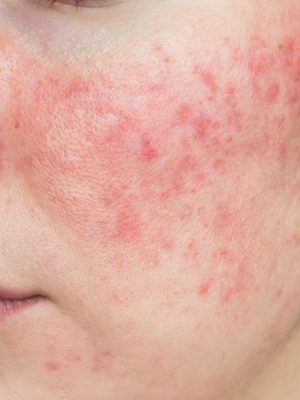
Rosacea is a chronic inflammatory skin condition that commonly presents as persistent facial redness, flushing, visible blood vessels, and sometimes acne-like breakouts. It most frequently affects the cheeks, nose, forehead, and chin. Although rosacea is medically harmless, it can significantly affect skin comfort, confidence, and overall skin health. Because rosacea is a long-term condition, successful management focuses on controlling symptoms and reducing flare-ups rather than providing a permanent cure.
What Is Rosacea?
Rosacea is a chronic inflammatory skin disorder characterised by:
Recurrent flushing
Persistent facial redness
Visible blood vessels (telangiectasia)
Skin sensitivity and irritation
Inflammatory bumps or pustules in some cases
Rosacea is often diagnosed in individuals with fair to light skin types, as lighter skin tends to flush more easily. However, rosacea can affect all skin tones. In deeper skin types, symptoms may present as warmth, burning, or swelling rather than obvious redness.
What Causes Rosacea?
Rosacea develops due to multiple interacting biological processes. Understanding these mechanisms helps guide effective treatment planning.
Pathophysiology: Key Factors Behind Rosacea
1. Neurovascular Dysregulation
Rosacea-prone skin has over-reactive blood vessels. These vessels dilate easily, causing frequent flushing and persistent redness.
Over time, repeated vessel dilation can lead to visible capillaries and long-term vascular changes.
2. Chronic Skin Inflammation
An overactive immune response causes inflammation in rosacea skin. This contributes to symptoms such as:
Burning and stinging
Redness and swelling
Papules and pustules
Chronic inflammation can weaken skin structure and increase sensitivity.
3. Skin Barrier Dysfunction
The protective skin barrier is often compromised in rosacea patients.
This results in:
Increased transepidermal water loss (TEWL)
Dryness and sensitivity
Increased vulnerability to irritants and environmental triggers
Barrier repair is therefore essential for rosacea management.
4. Microorganisms
Research suggests increased levels of Demodex mites and associated bacteria may worsen rosacea symptoms in some patients.
While not a direct cause, these microorganisms can trigger inflammation and exacerbate flare-ups.
Common Rosacea Triggers
Identifying personal triggers is one of the most important steps in managing rosacea. Common Triggers Include: Sun exposure Heat and sudden temperature changes Spicy foods Alcohol consumption Hot beverages Emotional stress Harsh skincare products or over-exfoliation Wind and environmental exposure Because triggers vary between individuals, personalised trigger tracking is highly recommended.
Professional Rosacea Treatment Options
Managing rosacea typically requires a combination of in-clinic treatments, medical skincare, and lifestyle modification.
In-Clinic Treatments for Rosacea
Intense Pulsed Light (IPL) Treatment
IPL therapy helps reduce:
Persistent redness
Flushing episodes
Superficial blood vessels
IPL targets vascular abnormalities, helping to improve overall skin tone and comfort.
Vascular Laser Treatments
Vascular lasers, such as long-pulsed Nd:YAG lasers, are often used to treat:
Deeper visible blood vessels
Bluish or stubborn vascular lesions
Nasal and cheek telangiectasia
Multiple treatment sessions are typically recommended for optimal results.
LED Light Therapy
Medical-grade LED therapy supports rosacea management by:
Calming inflamed tissue
Supporting skin healing
Improving overall skin resilience
LED therapy is often used alongside vascular treatments to enhance results.
Skincare Management for Rosacea
Daily skincare plays a critical role in controlling rosacea symptoms and preventing flare-ups.
Why Barrier Repair Is Essential
Humectants such as hyaluronic acid attract moisture into the skin but may not repair a damaged barrier alone.
Rosacea-prone skin benefits from moisturisers rich in:
Ceramides
Fatty acids
Cholesterol
These ingredients help restore barrier function, reduce irritation, and improve long-term skin tolerance.
Key Skincare Ingredients for Rosacea
Azelaic Acid
Helps reduce redness and inflammation
Supports control of papules and pustules
Ceramides and Fatty Acids
Strengthen the skin barrier
Reduce water loss
Improve skin resilience
Niacinamide (Low Concentration)
Supports barrier repair
Helps reduce inflammation
May not be suitable for all sensitive skin types
Skincare Ingredients to Avoid
Rosacea-prone skin is highly sensitive and may react to irritating products.
Avoid:
Fragrance or perfume
Harsh surfactants
Strong exfoliating acids (AHA and BHA)
Alcohol-based formulations
Excessive exfoliation
Frequent skincare routine changes
Consistent, minimal skincare routines are usually best tolerated.
Importance of Sun Protection
UV exposure is one of the strongest rosacea triggers.
Daily sun protection should include:
Broad-spectrum SPF 50+ sunscreen
Physical protection such as hats and umbrellas
Avoiding peak sun exposure where possible
Why Rosacea Requires Long-Term Management
Rosacea is a chronic inflammatory condition. Even when visible symptoms improve, underlying vascular and inflammatory activity may remain.
Successful rosacea management focuses on:
Trigger avoidance
Skin barrier repair
Inflammation control
Periodic professional treatments
With personalised treatment plans, rosacea symptoms can often be well controlled.
Rosacea Treatment Consultation in Melbourne
At J Medical Aesthetics, rosacea treatment plans are customised based on individual skin triggers, vascular activity, and barrier health. Professional skin analysis helps guide targeted treatment selection to improve both skin comfort and appearance.