
Chemical peel
at J Medical Aesthetics
Comprehensive Guide to Chemical Peel Treatments
Welcome to J Medical Aesthetics, where we specialize in state-of-the-art chemical peel treatments tailored to rejuvenate and enhance your skin's natural beauty. Chemical peels are an effective way to improve the skin's appearance, addressing various skin concerns through the removal of dead skin layers and promoting healthier, more radiant skin.
Understanding Chemical Peels
Chemical peels involve the application of a chemical solution to remove the damaged outer layers of the skin. This treatment is ideal for addressing issues such as wrinkles, discoloration, scars, and acne, with varying depths of application depending on the specific skin condition and desired results.
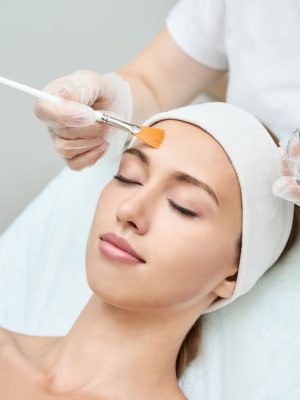
Types of Chemical Peels:
1. Mandelic Acid Peel
- Properties: Mandelic acid is an AHA derived from bitter almonds. It’s larger in molecular size, which means it penetrates the skin more slowly and less deeply than other AHAs, making it less irritating and suitable for sensitive skin.
- Uses: Mandelic acid is particularly effective for treating acne, pigmentation, and aging skin. It’s also beneficial for individuals with darker skin tones because it carries a lower risk of causing hyperpigmentation.
2. Salicylic Acid Peel
- Properties: Salicylic acid is a BHA known for its ability to penetrate into the pores and dissolve excess sebum and dead skin cells. It’s oil-soluble, which allows it to be more effective in oily and acne-prone skin conditions.
- Uses: Ideal for treating acne, blackheads, and large pores. Salicylic acid also has anti-inflammatory properties, which make it beneficial for reducing redness and inflammation associated with breakouts.
3. Glycolic Acid Peel
- Properties: Glycolic acid, the smallest molecule size of all AHAs, penetrates the skin deeply and quickly. It effectively exfoliates the outer layer of dead skin cells, revealing brighter, fresher skin underneath.
- Uses: It’s effective for reducing fine lines, acne scars, dark spots, and improving the skin’s overall texture and tone.
4. Lactic Acid Peel
- Properties: Derived from milk, lactic acid is another type of AHA. It’s considered to be gentler than glycolic acid, making it suitable for dry or sensitive skin types.
- Uses: Lactic acid helps to improve skin texture, reduce fine lines, and stimulate collagen renewal. It is also hydrating and brightening, making it a good choice for dull skin.
5. Jessner’s Peel
- Properties: A combination peel that includes lactic acid, salicylic acid, and resorcinol in an ethanol base. This mixture allows it to penetrate deeper than many single-acid peels.
- Uses: Jessner’s peel is particularly effective at treating pigmentation issues, extensive sun damage, and deep scars.
Choosing the Right Chemical Peel
Selecting the right chemical peel involves considering various factors such as skin type, skin sensitivity, the specific skin condition being treated, and the desired outcome. It’s important to have a consultation with a skincare professional who can assess your skin’s needs and recommend the most suitable type of peel. This ensures the treatment is both safe and effective, minimizing potential risks and maximizing results.

01
Acne and Acne Scars:
Peels containing salicylic acid (a BHA) and glycolic acid (an AHA) are particularly effective for acne-prone skin as they help reduce inflammation, clear pore congestion, and promote skin renewal to heal scars.
02
Fine Lines and Wrinkles
AHAs such as glycolic acid and some deep level peels are effective in stimulating collagen production, which can reduce the appearance of fine lines and provide a more youthful complexion.
03
Hyperpigmentation and Uneven Skin Tone
Chemical peels can lighten areas of hyperpigmentation and age spots. Ingredients like lactic acid help in skin lightening and provide a more even skin tone.
04
Sun Damage
Peels help to remove the damaged outer layers of skin caused by UV exposure, reducing signs of sun damage such as rough texture, dullness, and discoloration.
05
Melasma
Specific peels, like those containing azelaic acid and kojic acid, are used to treat melasma as they are effective in suppressing pigment production.
06
Rosacea and Redness
Gentle peels with anti-inflammatory properties, such as mandelic acid, are used to soothe skin and reduce the redness associated with conditions like rosacea.
07
Texture Irregularities
Chemical peels improve the overall texture of the skin by removing the rough, damaged outer layers and promoting regrowth of smooth, healthy skin.
08
Large Pores
Peels help to cleanse pores deeply and shrink their appearance over time, leading to a smoother skin surface.
Our Peel Brands
- Fillmed Peels: Known for Time Peel, Bright Peel, and Light Peel, targeting aging, pigmentation, and sensitive skin.
- Toskanimed Peels: Innovative formulations for a broad range of skin issues, from acne to aging.
- Skinceuticals Peels: Scientifically developed peels that target specific skin concerns for optimal results.
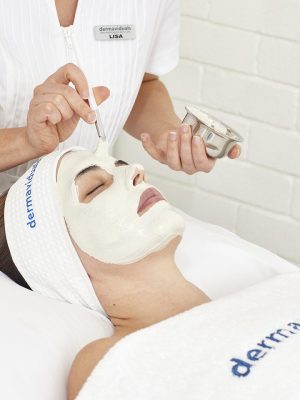
- Dermaviduals Range: Tailored for those who prefer a gentler approach, ideal for sensitive skin and maintaining skin barrier health.

Customized Treatment Plans at J Medical Aesthetics
Each treatment begins with a detailed consultation to understand your skin type and concerns, ensuring that you receive the most appropriate and effective treatment. Our specialists are dedicated to providing a safe and transformative experience, with tailored chemical solutions that rejuvenate and enhance your skin’s natural beauty.

Post-Treatment Care
The recovery time post-peel varies depending on the depth of the peel. We provide comprehensive aftercare instructions to ensure the best results and a smooth recovery, helping you manage peeling and protect newly sensitive skin from sun exposure.
Visit J Medical Aesthetics today to discover which chemical peel is right for you. Embark on your journey to revitalized, glowing skin with our expertly administered treatments.
FAQ:
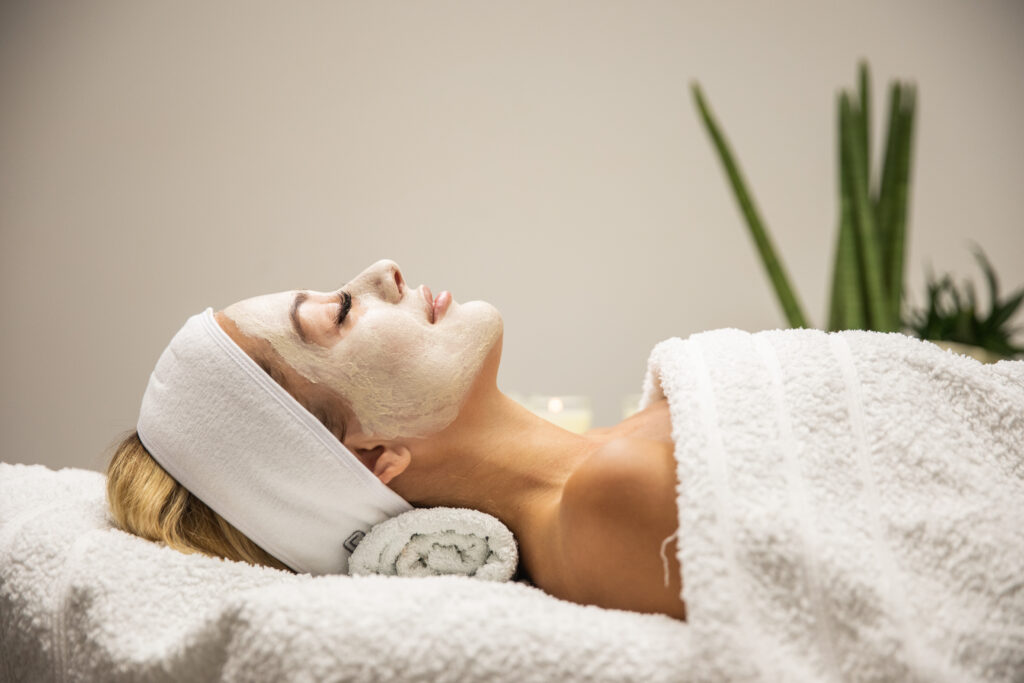
A chemical peel involves applying a chemical solution to the skin, which causes it to exfoliate and eventually peel off. This process reveals new, smoother skin that is often less wrinkled than the old skin.
Chemical peels are effective in treating a variety of skin issues, including acne, acne scars, age spots, fine lines, wrinkles, freckles, irregular skin pigmentation, rough skin and scaly patches, and sun-damaged skin.
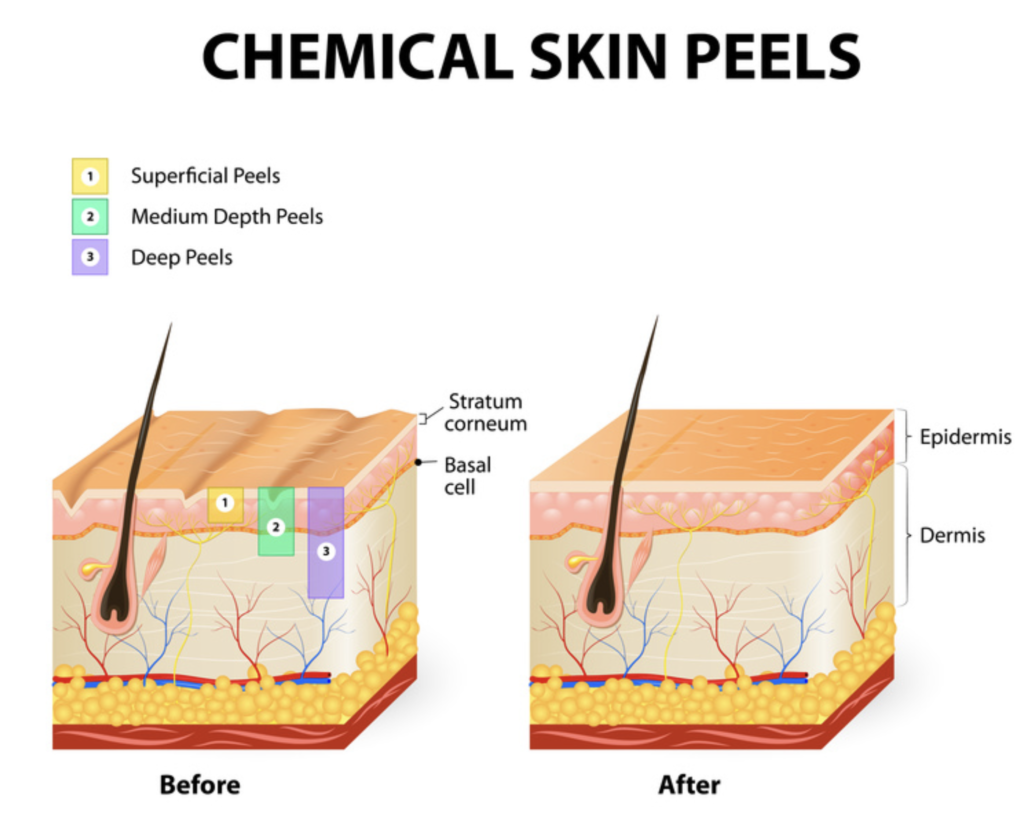
Yes, chemical peels come in different types, mainly categorized by their depth: superficial (light), medium, and deep. Light peels use mild acids like alpha-hydroxy acids, medium peels might use trichloroacetic acid, and deep peels might use phenol for more pronounced skin issues.
The right type of peel depends on your specific skin concerns, skin type, and desired results. During your initial consultation at J Medical Aesthetics, our skincare professionals will evaluate your skin and discuss your goals to recommend the most suitable peel.
During the treatment, the chemical solution is applied to your skin, which can cause a tingling or burning sensation. Depending on the depth of the peel, a neutralizing solution may be applied afterward. The entire process usually takes about 30 minutes to an hour.
Downtime varies with the type of peel. Light peels might have no downtime, while medium and deep peels might require a recovery period during which the skin heals and regenerates. Your clinician will provide specific aftercare instructions.
Common side effects include redness, dryness, stinging, or slight swelling. These typically resolve within a few days for superficial peels but might last longer for deeper peels. More serious, though rare, side effects include infection and scarring.
The frequency depends on the type of peel and your skin’s response to treatment. Light peels can be done every four to six weeks, while medium to deep peels may only be necessary once a year or less frequently.
Yes, chemical peels can be effectively combined with other treatments such as facials, meso therapy, skin needling, HIFU,prp and laser to enhance results. It’s important to discuss your overall skincare goals with our specialists who can design a comprehensive treatment plan.
Post-peel care is crucial for recovery and results. This includes using gentle skincare products (eg: our after care cream), avoiding direct sun exposure by wearing broad-spectrum sunscreen, and keeping the skin moisturized. Avoid picking or peeling off any flaky skin to prevent scarring.