
Melasma Treatment
Causes, Triggers and Modern Management Options
Melasma Treatment Melbourne
Melasma is one of the most common and challenging pigmentation disorders, appearing as patchy brown or grey-brown areas on the face. It most commonly affects the cheeks, forehead, upper lip, and jawline. Although melasma is medically harmless, it can significantly impact confidence and quality of life. It is also known for being chronic and recurrent, meaning it often returns without proper long-term management. Understanding the underlying causes of melasma is essential for choosing the most effective treatment approach.
What Is Melasma?
Melasma is a multifactorial pigmentation disorder, meaning it develops due to multiple biological and environmental triggers rather than a single cause.
The condition occurs when melanocytes (pigment-producing cells) become overactive. However, modern research shows melasma is more complex than excess pigment alone. The condition also involves:
Chronic skin inflammation
Increased vascular activity
Damage to the basement membrane (skin structural support layer)
These combined factors create a cycle that makes melasma difficult to treat and prone to recurrence.
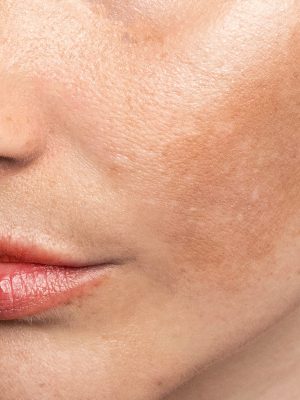
Pathophysiology: The Four Key Components of Melasma
1. Excess Pigmentation
Overactive melanocytes produce excessive melanin, causing visible dark patches on the skin.
While pigment is the most noticeable feature, treating pigmentation alone rarely prevents recurrence.
2. Increased Blood Vessel Activity
Research shows patients with melasma often have increased vascular activity.
Elevated VEGF (vascular endothelial growth factor) promotes new blood vessel formation
Blood vessels stimulate melanocytes and sustain pigmentation
This explains why melasma often persists despite pigment removal treatments alone.
3. Chronic Inflammation
Low-grade inflammation is commonly found in the deeper skin layers in melasma patients.
Inflammation can be triggered by:
UV and infrared radiation
Heat exposure
Hormonal fluctuations
Skin irritation
Inflammation stimulates pigment production and weakens the skin barrier.
4. Basement Membrane Damage
The basement membrane separates the epidermis and dermis, acting as a structural support layer.
In melasma:
The basement membrane becomes weakened or disrupted
Pigment can drop into deeper dermal layers
Pigmentation becomes more resistant to treatment
This deeper pigment contributes to melasma recurrence.
Common Triggers of Melasma
Melasma flare-ups are often triggered by environmental and hormonal factors. Major Triggers Include: Sun exposure (even minimal UV exposure can reactivate melasma) Hormonal changes such as pregnancy or contraceptive use Heat and infrared radiation Genetic predisposition Skin irritation or inflammation Post-inflammatory hyperpigmentation Because many triggers are unavoidable, melasma management focuses on control and prevention rather than permanent cure.
Modern Management of Melasma
Successful melasma treatment typically requires a multi-modal treatment approach addressing pigment, inflammation, vascular activity, and skin barrier repair.
Laser and Energy-Based Treatments for Melasma
Medical-grade laser treatments play an important role in melasma management by targeting pigment and improving skin structure.
Common Treatments Include:
Q-Switched Nd:YAG Laser
Targets melanin in superficial and mid skin layers
Helps gradually reduce pigmentation
Often used in staged treatment protocols
Picosecond Laser Treatments
Uses ultra-short energy pulses
Breaks pigment into microscopic particles
Minimises heat damage and inflammation
May reduce rebound pigmentation risk
Radiofrequency (RF) Skin Treatments
RF technology supports melasma management by:
Strengthening dermal structures
Improving basement membrane integrity
Reducing vascular activity
Supporting collagen remodelling
RF Microneedling
RF microneedling combines collagen stimulation with vascular control and barrier repair.
Potential benefits include:
Improving skin texture
Strengthening skin structure
Reducing inflammation
Supporting long-term pigmentation stability
Combination laser and RF treatments are often more effective than single treatment approaches for melasma management.
Skincare Treatment for Melasma
Daily skincare plays a crucial role in preventing melasma recurrence and supporting clinical treatments. Recommended Ingredients Include: Pigment inhibitors such as hydroquinone, tranexamic acid, and niacinamide Anti-inflammatory ingredients to calm dermal irritation Barrier repair formulations to strengthen skin resilience Broad-spectrum SPF 50+ sun protection Topical skincare alone may not fully treat stubborn melasma but significantly supports treatment outcomes.
Other Management of Melasma
Lifestyle and Prevention Strategies
Long-term melasma control relies heavily on lifestyle management.
Prevention Tips Include:
Avoid excessive sun exposure
Use physical sun protection such as hats and sunglasses
Limit exposure to heat sources and infrared radiation
Avoid aggressive skincare or skin trauma
Maintain consistent long-term skincare routines
Because melasma is chronic, maintenance is essential even after visible improvement.
Why Combination Treatment Is Important
Melasma involves multiple biological pathways. Treating pigment alone often leads to recurrence.
A comprehensive treatment plan may include:
Laser and energy-based treatments to reduce pigment and strengthen skin structure
Medical skincare to regulate pigment production and reduce inflammation
Lifestyle modifications to minimise environmental triggers
Addressing both visible and underlying causes provides more stable, long-term outcomes.
Melasma Treatment Consultation in Melbourne
At J Medical Aesthetics, we provide personalised melasma management plans based on detailed skin analysis and individual risk factors. Treatment plans are customised to address pigmentation, inflammation, vascular activity, and skin barrier health.